Welcome to the Dhariwala Lab
Research in the Dhariwala lab focuses on the mechanisms by which commensal microbes establish a symbiotic relationship with the host in the early life window. We are particularly interested in dissecting how the crosstalk between commensal microbes and myeloid cells in neonatal barrier tissues shapes long-term health. Myeloid cells are the earliest immune populations to seed tissues and despite being the primary sentinels interacting with commensal microbes, little is known about how myeloid cells help establish tissue homeostasis. We are fundamentally interested in these questions because the origin of several chronic inflammatory conditions can be traced back to immune-microbiome dysregulations in the early life window. With core expertise in human and murine tissue immunology, microbiome sciences, and novel translational tools the Dhariwala lab aims to translate their fundamental research findings to next generation therapeutic interventions against chronic inflammatory disease.
Button
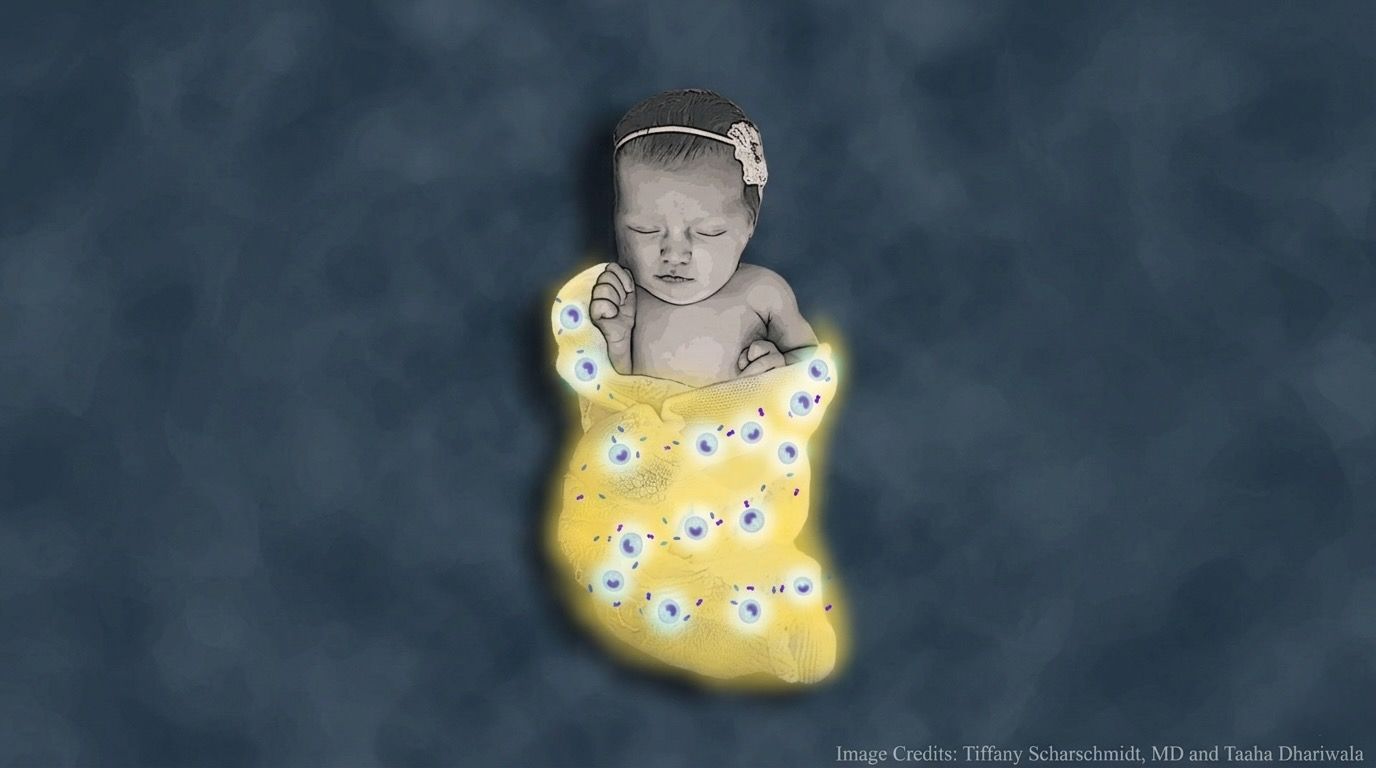
Image Credits: Tiffany Scharschmidt, MD and Taaha Dhariwala

What do we do
The Dhariwala Lab studies how the immune system in neonatal barrier tissues detects, responds to, and adapts to commensal microbe exposure. We combine immunology, microbiology, and systems-level approaches to understand host–microbe interactions and immune programming in health and
disease.
How do we do it
We use multidisciplinary experimental approaches to study immune responses
across molecular, cellular, and organismal scales. Our work combines immunological assays, microbial systems, and novel genetic in vivo mouse models to examine host–microbe interactions in physiologically relevant contexts. We employ ex vivo translational tools to understand the biology of microbial imprinting of immune function in primary human tissue. Quantitative, data-driven computational analyses enable us to derive mechanistic insights from large immunological datasets.
Welcome to the Dhariwala Lab!
What do we do
The Dhariwala Lab studies how the immune system in neonatal barrier tissues detects, responds to, and adapts to commensal microbe exposure. We combine immunology, microbiology, and systems-level approaches to understand host–microbe interactions and immune programming in health and
disease.
How do we do it
We use multidisciplinary experimental approaches to study immune responses
across molecular, cellular, and organismal scales. Our work combines immunological assays, microbial systems, and novel genetic in vivo mouse models to examine host–microbe interactions in physiologically relevant contexts. We employ ex vivo translational tools to understand the biology of microbial imprinting of immune function in primary human tissue. Quantitative, data-driven computational analyses enable us to derive mechanistic insights from large immunological datasets.